
Pick the wrapper before you pick the metal
Most people decide to buy gold and then work backwards into a product, usually whichever one the first salesperson they spoke to earns the most on. That is the wrong order. An ounce of gold is an ounce of gold whichever way you hold it; what differs between the seven routes below is the entry cost, the exit cost, the tax treatment and how fast you can turn the position back into money.
Those four variables swing the outcome far more than the timing of your purchase. A buyer who pays an eight percent premium for a 'limited mintage' coin needs the gold price to rise eight percent before breaking even, and will often sell at a discount on the way out as well. A buyer in a low-cost fund is roughly flat from day one but owns a claim on a pool rather than metal they can hold. Neither is wrong. They answer different questions.
Run through the list, find the one or two that match why you want gold in the first place, then compare providers on cost rather than on who ran the most convincing advert.
1. Bullion bars
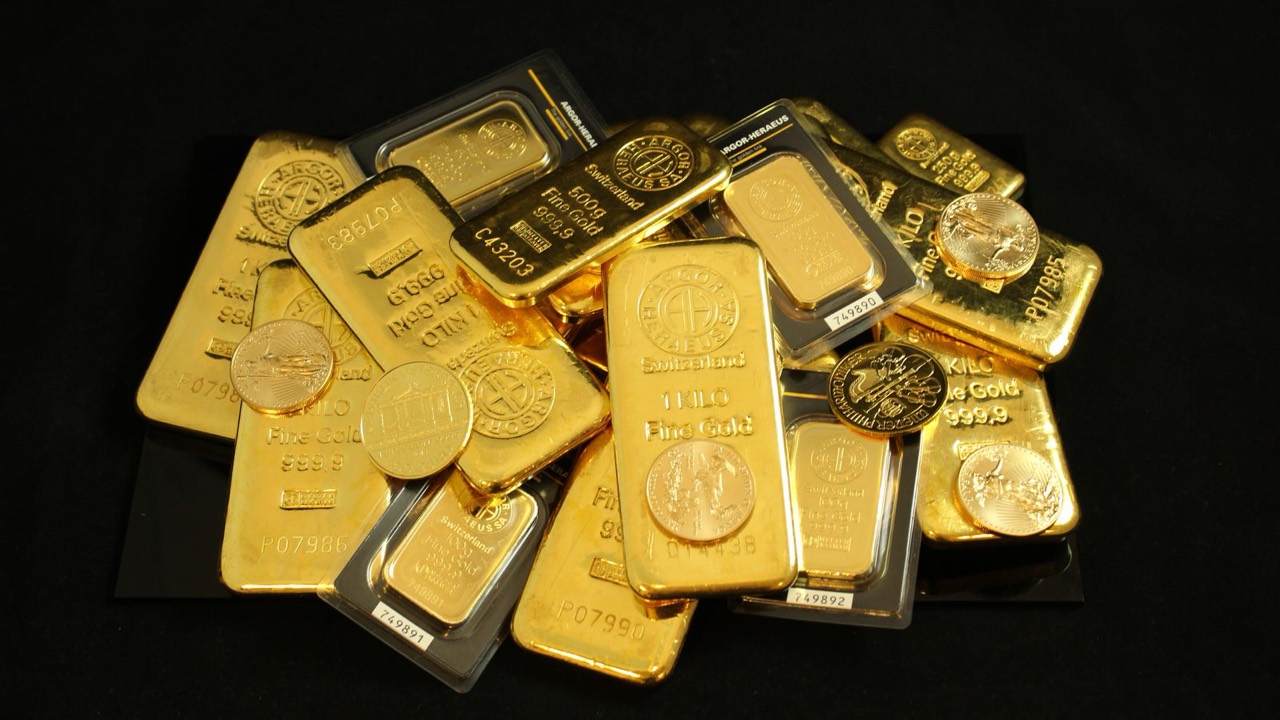
The purest expression of the trade: a cast or minted bar from an accredited refiner, bought as close to spot as a dealer will sell it. Bars carry the lowest premium of any physical format because you are paying for weight and almost nothing else — the bigger the bar, the thinner the markup.
The trade-off is granularity and logistics. A single kilo bar cannot be half-sold, and once the metal is in your hands it needs a vault or a safe plus insurance that a homeowner policy usually will not cover at full value.
- Works best for: long-horizon holders who want certainty about exactly how many ounces they own
- Upside: cheapest way to accumulate weight, no ongoing fund fee, no counterparty
- Downside: storage and insurance are your problem, and large bars are all-or-nothing on the way out
- Before you pay: confirm the refiner, weight, assay and serial number, and get the dealer's buyback terms in writing
2. Sovereign bullion coins
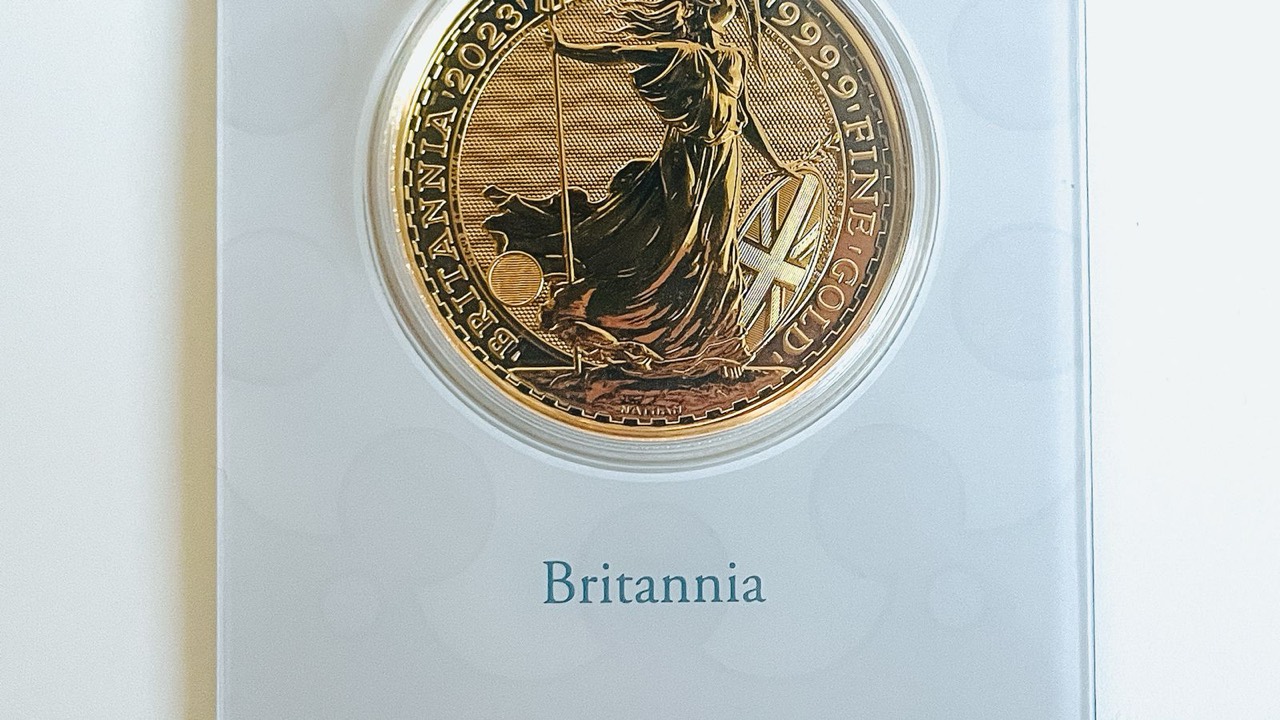
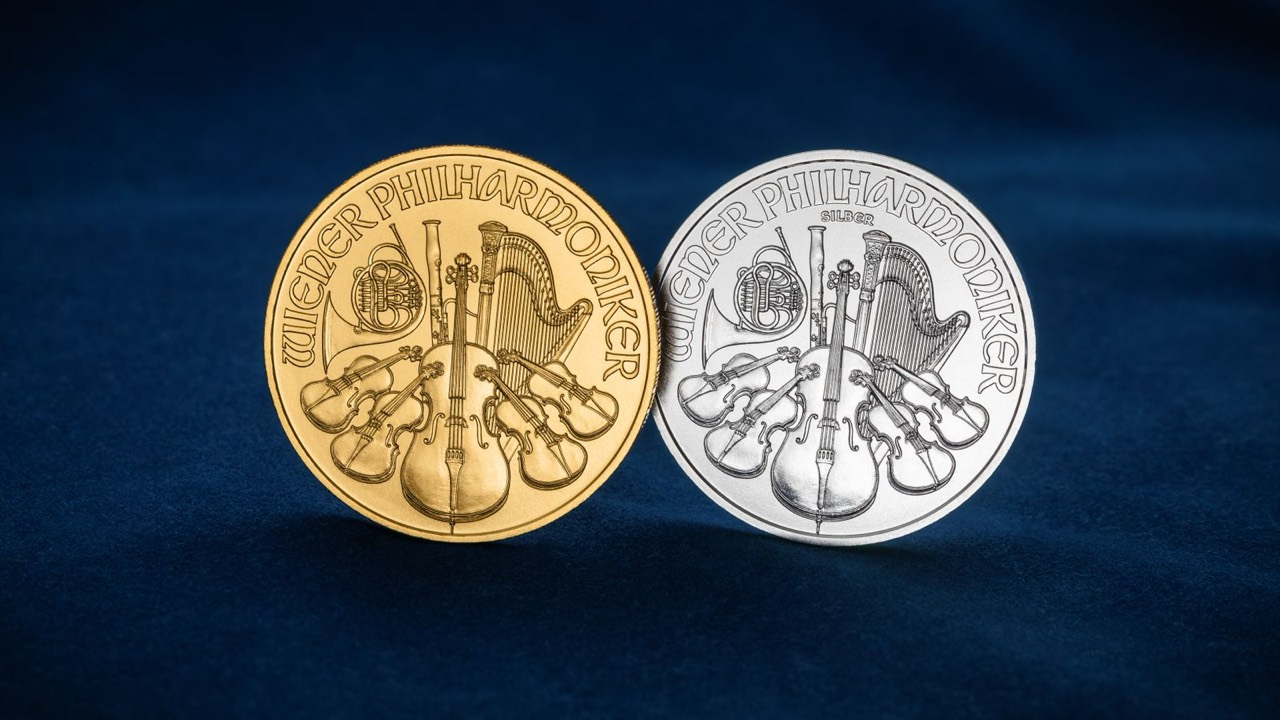
American Eagles, Canadian Maple Leafs, Britannias, Philharmonics and Krugerrands are struck by national mints, recognised by every dealer on earth and sold in fractional sizes down to a tenth of an ounce. That recognition is what you are paying for, and it shows up as a premium a few points above what the same weight in bar form would cost.
For most private buyers that premium is worth it. A one-ounce sovereign coin is the most liquid piece of physical gold there is: you can sell it anywhere, in any quantity, without an assay, and you can liquidate a quarter of your position without touching the rest.
- Works best for: buyers who value easy resale and want to sell in small increments
- Upside: instantly recognised, deep secondary market, flexible lot sizes
- Downside: higher premium per ounce than bars, and fractional coins cost proportionally more still
- Before you pay: ask for today's buy price and today's sell price on the same coin — the gap between them is your real cost
3. Gold ETFs
An exchange-traded fund holds bullion in a vault and issues shares against it, so you get gold price exposure in an ordinary brokerage account with a few clicks and a commission of roughly nothing. Liquidity is the selling point: you can be in or out inside a market session, which makes ETFs the obvious vehicle for anyone rebalancing to a target weight rather than accumulating for decades.
What you do not get is metal. You hold a share in a trust, not bars with your name on them, and in the US physically backed gold funds are generally taxed as collectibles rather than at standard long-term capital-gains rates — a detail that catches out investors who assume a stock-like tax outcome. Annual expense ratios sit in the low tenths of a percent, which compounds quietly across a long hold.
- Works best for: tactical investors, rebalancers, and anyone who wants exposure without logistics
- Upside: same-day liquidity, trivial transaction cost, no storage to arrange
- Downside: an ongoing fee, a counterparty structure, and no bars you can ever take home
- Before you buy: compare expense ratio and tracking error, and check how the fund is taxed in your jurisdiction
4. Mining stocks and royalty companies
Miners are not gold; they are businesses whose profits are leveraged to the gold price. When bullion rises ten percent, a producer whose all-in cost sits just under spot can see its margin and its share price move several times that. The leverage runs both ways, and it arrives with everything else that can go wrong in a company — a flooded shaft, a permitting dispute, a currency move in the country where the mine sits, a balance sheet that was built for higher prices.
Royalty and streaming companies are the calmer version of the same idea. They finance mines in exchange for a cut of future production, so they get the price exposure without carrying the operating costs. Historically they have tracked the metal more faithfully than producers while still beating it in strong markets.
- Works best for: investors who already hold equities and understand single-company risk
- Upside: genuine leverage to a rising gold price, and some names pay a dividend
- Downside: you can be right about gold and still lose money on the company
- Before you buy: spread across several producers and at least one royalty name rather than betting on a single mine
5. Actively managed precious metals funds
Mutual funds in this corner hire a manager to pick miners, sometimes blending in bullion or royalty exposure. For investors who want mining leverage but have no interest in reading a feasibility study, that is a real service, and the better managers in the sector have earned their keep by avoiding the blow-ups rather than by finding the winners.
You pay for it. Active fees here run far above an ETF, and the category has a long record of style drift — a fund marketed as gold exposure can end up heavy in base metals or in juniors with no production at all. Read what it actually holds, not what the name implies.
- Works best for: investors who want managed mining exposure inside an existing fund platform
- Upside: professional security selection and built-in diversification across the sector
- Downside: the highest ongoing cost on this list, and the holdings may not be what the label suggests
- Before you buy: check the top ten holdings and how the fund behaved in gold's worst years, not just its best
6. A precious metals IRA
A self-directed IRA can hold IRS-eligible bullion, which puts physical gold inside the same tax shelter as the rest of your retirement money. Traditional accounts defer tax until withdrawal, Roth accounts grow tax-free, and because most of these accounts are funded by rolling over an existing 401(k) or IRA rather than by annual contributions, they are the only route on this list where six-figure positions are routine.
The structure is also the most rule-bound. The metal must meet minimum fineness standards, it has to sit with an approved depository rather than in your house, and three parties take a fee: the dealer, the custodian and the vault. Setup runs roughly fifty to a hundred and fifty dollars, custodial and storage charges typically land somewhere between two hundred and six hundred a year combined, and the dealer's markup over spot dwarfs all of it. Anyone pitching a 'home storage' version of this is selling a structure the IRS and the tax courts have rejected.
- Works best for: retirement savers who want physical metal without leaving the tax wrapper
- Upside: tax-deferred or tax-free growth, rollover funding with no contribution ceiling, metal held in your name at a vault
- Downside: flat annual fees that punish small balances, and a sales channel with wide variation in honesty
- Before you fund: get the full first-year cost, the recurring cost from year two, the premium over spot on the specific products recommended, and the buyback price on those same products — all in writing
7. Numismatic and limited-mintage coins
Collectible coins are worth their metal plus whatever scarcity, condition and demand add on top. That extra layer is real — graded rarities have outperformed bullion over some long stretches — but it is a specialist market that rewards knowledge and punishes everyone else, and it is the single most common vehicle for overcharging in this industry.
Spreads of twenty, thirty or forty percent are not unusual, and because there is no published spot price for a specific graded coin, a buyer has no quick way to check whether a quote is fair. If a sales call steers you from bullion toward 'exclusive', 'proof' or 'semi-numismatic' pieces, the reason is almost always the commission. Note too that collectibles are generally not eligible for an IRA at all.
- Works best for: genuine collectors with expertise and a long horizon
- Upside: scarcity premium on top of metal value, and some pieces are simply enjoyable to own
- Downside: the widest spreads in the market, thin liquidity, and valuations you cannot verify in a minute
- Before you pay: insist on independent grading and check population reports, then compare the asking price against recent auction results for the same grade
Choosing between them
Start from the job you want gold to do. If the goal is insurance against something going badly wrong with the financial system, that argues for metal you own outright — bars, sovereign coins, or an IRA holding the same. If the goal is portfolio diversification you intend to rebalance every year, an ETF does it more cheaply and far more conveniently. If the goal is growth and you can tolerate equity risk, miners and royalty companies offer the leverage that bullion never will.
Then size it. Most independent guidance puts precious metals somewhere between five and ten percent of a portfolio — enough to change the shape of a bad year without dragging on a good decade. Anyone recommending a materially larger share is usually paid on the volume.
Finally, compare on total cost rather than headline price. Add the premium over spot, the ongoing fees, the storage, and the discount you would take if you sold tomorrow. That number, not the spot chart, is what determines whether the position works.
- Define the job first: insurance, diversification or growth
- Set the allocation before you shop, and write it down
- Compare all-in cost of entry and exit, not advertised price
- Favour standard bullion over anything described as exclusive or limited
- Rebalance on a schedule rather than on a headline
The bottom line
There is no single best way to invest in gold, only a best fit for a stated goal and a cost structure you have actually checked. Bars and sovereign coins win on simplicity, ETFs on liquidity, miners on upside, and a precious metals IRA on tax treatment for money that is already earmarked for retirement. Numismatics is the one route where the odds are stacked against a non-expert buyer, and the one where the hardest selling happens.
Whichever you choose, the discipline is the same: ask for the buy price and the sell price on the same day, get every fee in writing before money moves, and walk away from anyone who will not provide both.
Ready to compare providers?
See how the leading gold and silver companies score on fees, storage and trust.
This article is editorial content, not investment, tax or legal advice. Rules, rates and limits change — verify current IRS requirements or consult a licensed professional.