

Ballast, not an engine
Gold does not compound. It pays no dividend, reports no earnings and costs money to store, and over most long stretches a diversified equity portfolio will leave it far behind. Anyone who opens with a chart of gold's best decade is selling.
The honest case is narrower and more useful: a modest holding changes how a portfolio behaves in the years that do the real damage, and it does so for reasons that are structural rather than hopeful. Here are the ten that hold up, followed by what the allocation looks like in practice — and where the argument runs out.
1. It does not move with the rest of your portfolio
Gold's correlation to developed-market equities has hovered around zero over long periods, and has frequently turned negative during sharp equity selloffs. That is the entire mechanic behind every other benefit on this list. An asset that is merely different is useful; an asset that is different precisely when everything else falls together is rare.
Bonds used to play this role. In 2022 they stopped — stocks and bonds fell in the same year, which is exactly the scenario a traditional balanced portfolio is not built for. Gold rose. That is not a guarantee of a repeat, but it is a reminder that diversification only counts if the correlations hold under stress.
2. It has preserved purchasing power across currency regimes
Be precise about this, because the marketing is not. Gold is a mediocre hedge against ordinary, well-managed two percent inflation; over a normal decade it will often lag badly. What it has survived is the bigger thing — sustained debasement across regime changes, when a currency's purchasing power erodes by most of its value over a working lifetime.
The US dollar has lost something close to 85% of its purchasing power since the gold window closed in 1971. An ounce of gold bought a good suit then and buys a good suit now. The dollar price changed by a factor of several dozen; the suit did not.
3. It stays liquid when other things do not
The global gold market trades enormous volume daily, across every time zone and in every currency. In the moments when credit markets seize, redemption gates go up on funds and bid-ask spreads on less liquid holdings blow out, gold is one of the few assets that still has a buyer at a knowable price.
That matters most to the investor who needs to raise cash at an inconvenient moment. Liquidity is worth very little until the day it is worth everything.
4. It diversifies the currency you are paid in
Most portfolios are a concentrated bet on one currency that nobody consciously placed. Your salary, your pension, your property and most of your bonds are denominated in the money your government issues, and the risk only becomes visible when that money weakens.
Gold is priced in every currency simultaneously, which means it cannot go to zero in all of them at once. For an investor whose entire financial life sits inside one monetary jurisdiction, that is a genuine, unglamorous form of diversification.
5. A small allocation shortens the drop
This is the part that shows up in the arithmetic rather than the narrative. Because of the correlation point above, adding a single-digit percentage of gold to a conventional portfolio has historically reduced peak-to-trough declines by more than it reduced long-run return.
The effect is modest in any given year and compounds in an underrated way: the depth of a drawdown determines how much has to be made back, and — more practically — how likely an investor is to sell at the bottom. A portfolio you can hold through a bad year beats a better portfolio you abandon.
6. There is no issuer to default on you
A deposit is a bank's liability. A bond is the issuer's liability. A share is a residual claim a board can dilute. Physical bullion, held in a vault in your name, is the rare financial asset that is nobody's promise — it cannot be defaulted on, restructured or inflated away by a committee.
Central banks, the institutions that issue the competing paper, have been net buyers every year since 2010, with official-sector purchases running above a thousand tonnes a year in the heaviest recent years. Institutions that can create money choose to hold something they cannot.
7. You can hold it in whichever wrapper fits the job
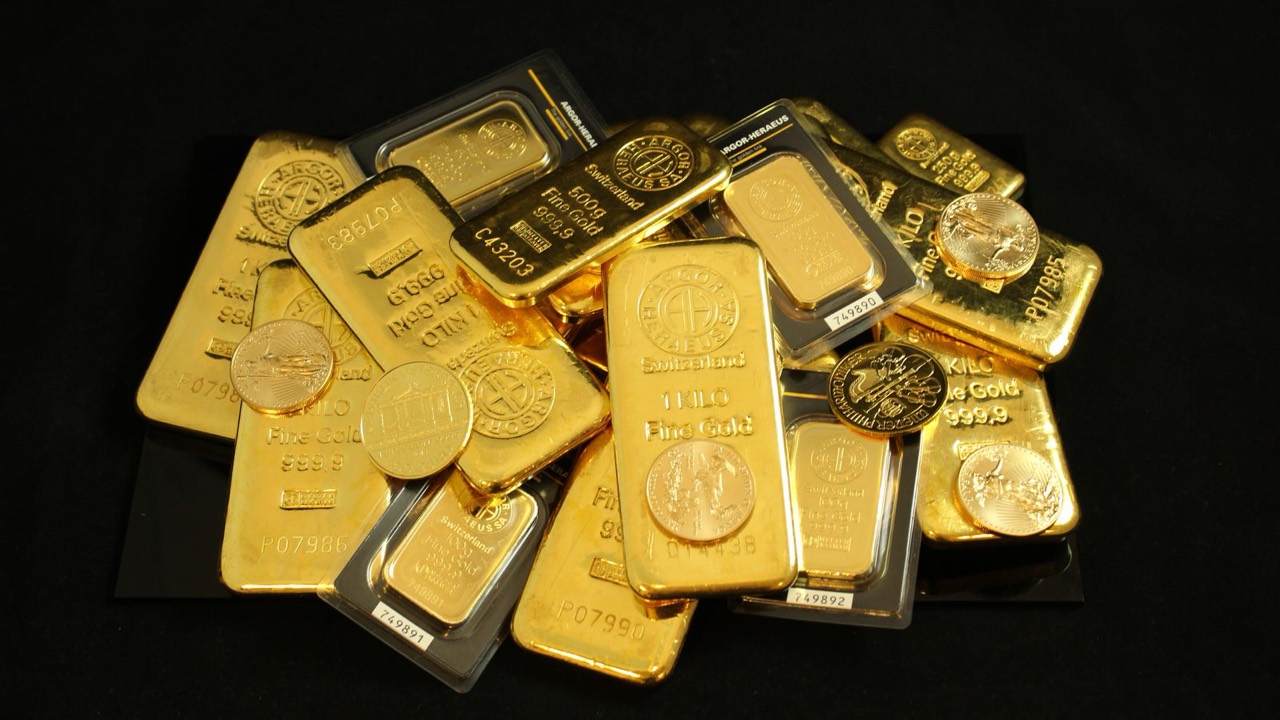
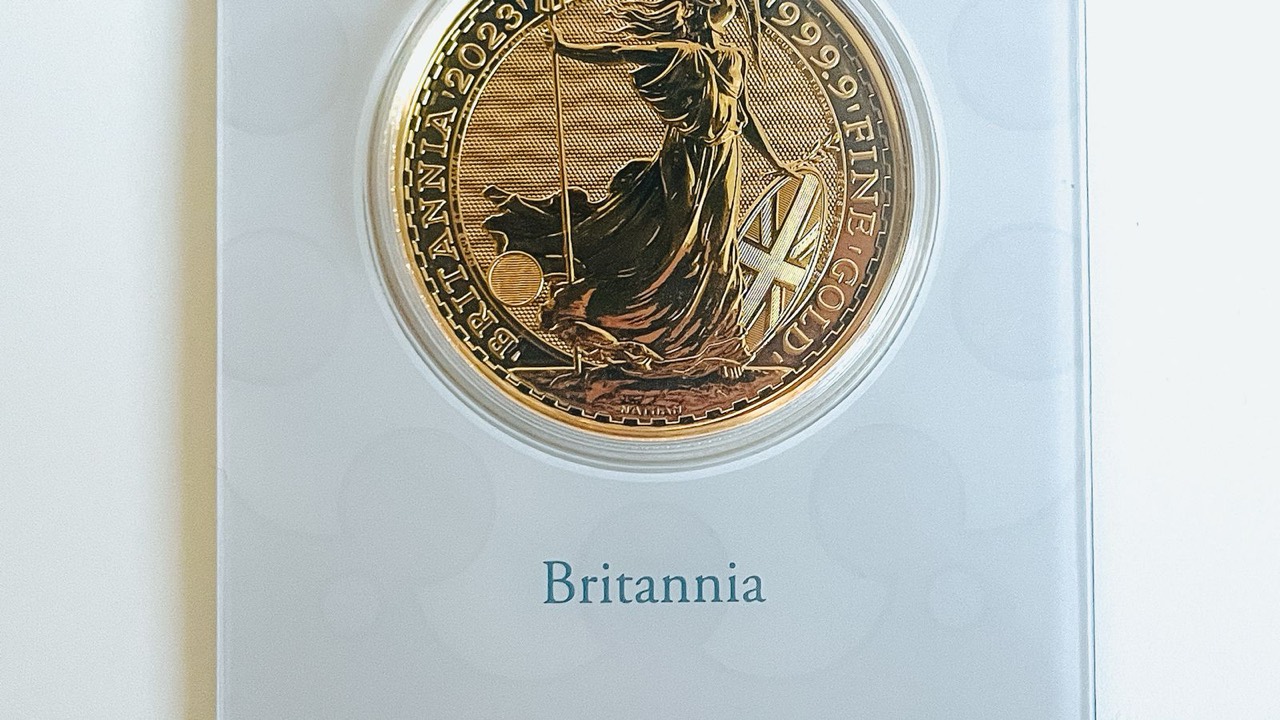
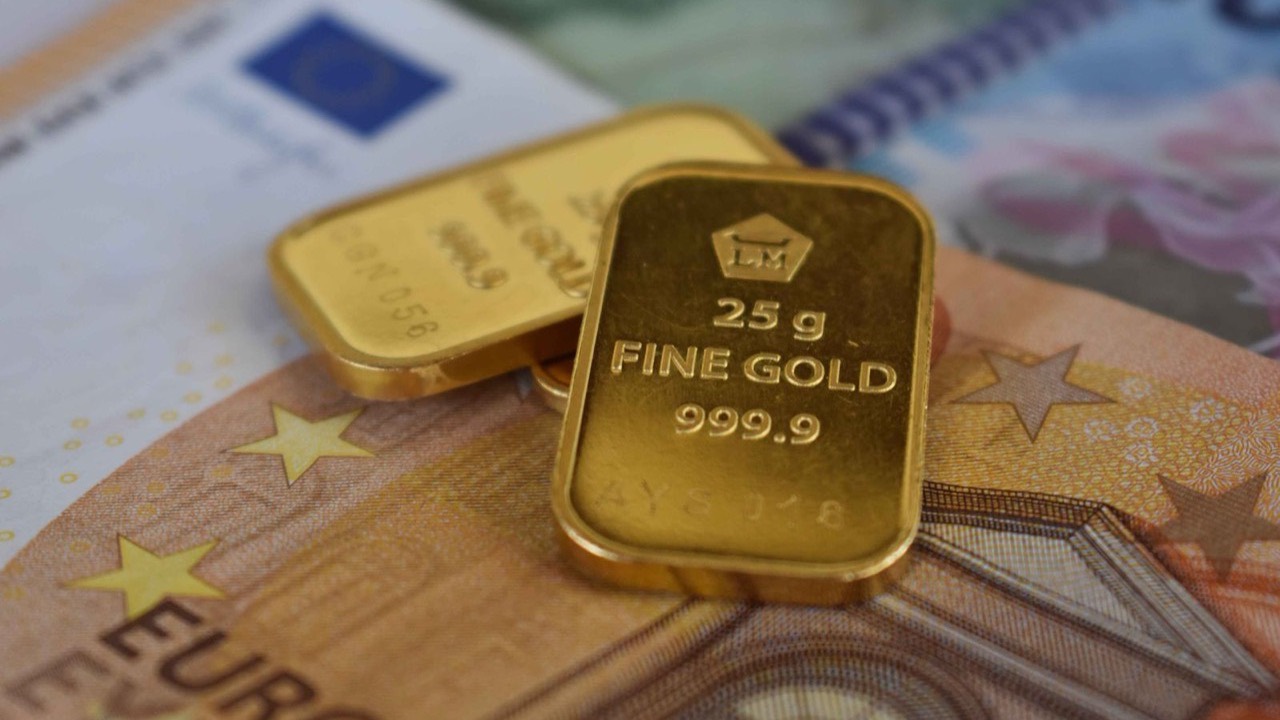
Gold is unusual in that the same exposure is available in formats with completely different characteristics. Bars for the cheapest weight, sovereign coins for liquidity and small-lot resale, ETFs for same-day execution in a brokerage account, miners and royalty companies for leverage, a self-directed IRA for metal inside the retirement tax shelter.
That flexibility is itself a reason to hold some: you can match the structure to the purpose rather than accepting whichever product a sales desk earns most on.
8. The marginal buyer is a central bank, not a retail investor
Official-sector demand has been the dominant swing factor in this market for over a decade, driven by reserve managers diversifying away from concentrated exposure to a small number of currencies. That is a slow, policy-level flow rather than a sentiment trade, and it does not reverse because a quarter was disappointing.
It is not a price forecast. It is a reason to expect the floor under demand to be sturdier than it was in the decades when gold was essentially a retail and jewellery market.
9. Demand comes from several unrelated places at once
Jewellery, bar and coin investment, exchange-traded funds, central banks and a small industrial slice each buy gold for different reasons, and they rarely all step back at the same time. When investment flows weaken, physical demand in price-sensitive markets tends to pick up; when prices run hard, jewellery softens and investment takes over.
That rotation is why gold's demand base is more stable than a single-use commodity's — and it is also the clearest contrast with silver, where more than half of annual demand is industrial and the price swings two or three times as hard in both directions.
10. It makes the rest of the portfolio easier to live with
The least quantifiable reason is often the one that pays. Investors do not usually fail because they chose the wrong fund; they fail because they sold in March 2020, or in late 2008, and did not get back in.
A holding that is green on the days everything else is red gives a portfolio an anchor to look at, and makes staying invested easier. That is a behavioural benefit rather than a financial one, and it is worth more than most of the financial ones.
Turning the reasoning into an allocation
Reasons are not a plan. Four decisions turn them into one, and they should be made before you speak to a dealer rather than during the call.
- Size it. Most independent guidance lands between 5% and 10% of a portfolio — enough to change the shape of a bad year without dragging on a good decade. Below about 3% the effect is too small to notice; above roughly 10% you are no longer holding ballast, you are making a concentrated bet on one asset, and should be clear with yourself that this is what you are doing
- Mix the vehicles. Bullion or an IRA for the core holding you intend to keep, an ETF for the slice you expect to trade around — certainty for one job, liquidity for the other
- Rebalance on bands, not on headlines. Set a target and a tolerance — say 7.5% with a two-point band — and trim after strong runs, add after weak ones. The discipline is what converts volatility into return
- Vet the provider on cost. Published fees, a buyback price quoted on the same day as the sale price, a named depository with stated insurance. Everything else is presentation
Where the case gets weak
Gold has gone nowhere for long stretches — roughly 1980 to 2001, and again for much of 2013 to 2018 — and an investor who bought at the top of a cycle waited a very long time to get back to even. It generates no income while you wait, and in a retirement account that is a real opportunity cost rather than an abstract one.
The costs are also real: storage, custody and insurance come out of the return every year, and the dealer's markup comes out of it on day one. None of that is an argument against holding some. It is an argument against holding a lot, and against anyone who tells you the number should be larger than ten percent.
Ready to compare providers?
See how the leading gold and silver companies score on fees, storage and trust.
This article is editorial content, not investment, tax or legal advice. Rules, rates and limits change — verify current IRS requirements or consult a licensed professional.