Trusted Gold IRA Guidance Since 2012
- One-on-one web conference with the company's in-house economics team before you commit
- Fee waivers of up to 10 years on qualifying accounts
- A+ rating with the BBB and AAA with the Business Consumer Alliance
Advertiser disclosure. We receive compensation from companies listed on this page, and compensation may affect their placement. Scores follow our published method and are not personalised financial advice.

Compare leading gold and precious metals companies, explore Gold IRA options, and find a provider that fits your investment goals.
Last updated: November 9, 2026
How our score works


We do not cover every provider in the market, and figures here were checked at the time of our last update — fees, minimums and offers change frequently, so verify details with the provider before investing. We do not provide financial, legal or tax advice.
What our top-rated provider does well and where it falls short, side by side, so you can judge it without opening the full review.
One-on-one web conference with the company's in-house economics team before you commit
Fee waivers of up to 10 years on qualifying accounts
A+ rating with the BBB and AAA with the Business Consumer Alliance
Known for a strict no-pressure, education-first sales approach
Investors turn to precious metals for a simple reason: they behave differently from everything else in a retirement account. Stocks and bonds are claims on companies and governments, and in the years when those claims come under pressure together, a portfolio built entirely from them has nowhere to hide. Physical gold has no issuer, no earnings to miss and no credit rating to be cut.
It is worth being clear about what this market is, though. The gold IRA industry sits in a lightly regulated corner of retirement finance. Custodians and depositories are supervised, but the dealers who sell you the metal are largely not, and the gap between the best and worst operators is enormous — measured in tens of thousands of dollars on an ordinary account.
That gap is also why comparison sites exist, including this one, and why you should read every one of them with your eyes open. Most are compensated by the companies they list. We are too, and we say so at the top of this page and in our advertising disclosure. What we can promise is that the compensation does not change a score: every provider is measured against the same published criteria, the weights are printed on our methodology page.
A gold IRA is one route into the metal, not the only one, and it is worth knowing what the alternatives cost before you commit to any of them. Every option below buys exposure to the same ounce; what separates them is the premium you pay on the way in, the discount you take on the way out, how quickly you can sell, and how the gains are taxed.
Those costs matter more than the entry point. Pay a wide markup on a coin and the gold price has to climb that far before you are level — which is why the question to ask any dealer is not what gold is worth today, but what they would buy the same product back for today.
The question that decides the outcome is not which company you buy from but how much you buy. Gold earns nothing while you hold it, so every point of allocation is a point not compounding elsewhere — and at the same time, the whole benefit comes from holding enough that it changes the shape of a bad year.
Most independent guidance lands between 5% and 10% of a portfolio. Below roughly 3% the effect is too small to register. Above about 10% you have stopped holding ballast and started making a concentrated bet on a single asset, which can be a defensible choice but should be a deliberate one. Treat a recommendation materially above that range as information about how the person advising you is paid.
Decide the number before you speak to a dealer, write it down, and rebalance to it on a band rather than on headlines — trimming after a strong run and adding after a weak one is what converts gold's volatility into return instead of regret.
The ten reasons investors hold gold, and where the case runs out →
A gold IRA is a self-directed individual retirement account that holds physical precious metals instead of, or alongside, paper assets. The tax treatment is identical to any other IRA — contributions to a traditional account may be deductible, growth is tax-deferred, and a Roth version grows tax-free. What differs is the asset and the plumbing around it.
Because the IRS requires a qualified custodian to administer the account and an approved depository to hold the metal, a gold IRA involves three parties rather than one: the dealer who sells the metal, the custodian who administers the account, and the depository that stores it. Some companies bundle all three into a single onboarding process; others leave you to select a custodian yourself. Neither approach is wrong, but you should know which one you are signing up for.
The appeal shows up most clearly in the periods that hurt conventional portfolios. Through the 2008 financial crisis and again in the early months of the 2020 pandemic, equities fell sharply while gold held its value or rose. That is the entire function of the allocation. What gold will not do is compound: it pays no dividend and no interest, and over a long bull market in stocks it will lag badly. Any presentation that shows you only gold's good decades is selling, not informing.
Most gold IRAs are not funded with new contributions. They are funded by moving money that already exists in a 401(k), 403(b), TSP or another IRA — a rollover. It is the efficient route, because annual contribution limits are small relative to the account sizes that make a flat-fee structure worthwhile.
A rollover moves existing retirement savings into a self-directed IRA, which then buys IRS-approved metals. Done correctly, nothing is distributed, nothing is taxed and no penalty applies. Done carelessly — most often by taking personal receipt of the funds and missing the 60-day deadline to redeposit them — the entire amount becomes taxable income, with a 10% penalty on top if you are under 59½.
Note the trade-off you are accepting. The dollars you move into metal stop generating dividends and interest. In exchange, you reduce the portfolio's dependence on a single set of risks. That is a reasonable bargain for a portion of an account and a poor one for all of it.
The mechanics are consistent across providers, whatever the marketing suggests. There are three steps, and the second one is where mistakes get made.
The core advantage is that the tax shelter follows the money. Assets stay inside the retirement system, growth continues to be tax-deferred, and no taxable event occurs. You are changing what the account holds, not taking money out of it.
One rule catches people out. Where an indirect rollover is used — the funds are paid to you, and you redeposit them — you may only do this once in any rolling 12-month period across all your IRAs. Exceed it and the second distribution is taxable.
Several movements are explicitly outside that limit, which is why the direct route is almost always the right one:
The IRS does not permit an IRA to hold collectibles, and precious metals are an explicit carve-out from that prohibition rather than a general exception. The carve-out comes with conditions, and a product that misses them is not merely a bad purchase — it is a deemed distribution of the amount involved.
Four metals qualify: gold, silver, platinum and palladium. Each must meet a minimum fineness, and the product must be produced by a national government mint or by a refiner, assayer or manufacturer accredited by NYMEX, COMEX, LBMA, LME, NYSE/Liffe, ISO 9000 or a national accreditation body.
Collectible and numismatic coins are excluded, however compelling the story attached to them. The notable statutory exception is the American Gold Eagle, which is admissible despite a fineness of 0.9167 because Congress named it specifically. Proof coins may qualify where they are in original mint packaging with a certificate of authenticity — but they carry markups that rarely justify themselves inside a retirement account.
Bars and ingots must come from a government mint or an accredited refiner and must meet the same fineness thresholds as coins. In practice this means bars carrying a recognised hallmark — brands such as PAMP Suisse, Valcambi, Credit Suisse, Perth Mint and Royal Canadian Mint all qualify.
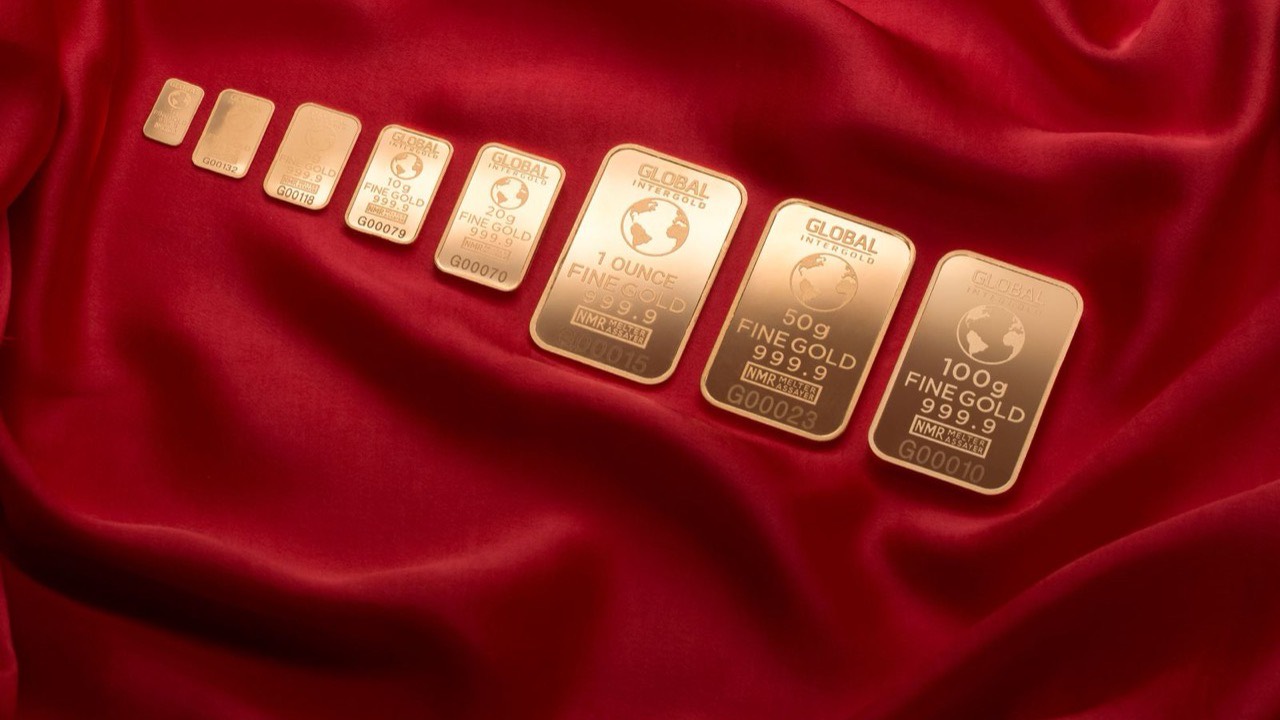
Bullion bars usually carry the lowest premium over spot of any IRA-eligible product, which makes them the most cost-efficient way to hold weight. The trade-off is granularity: a single large bar cannot be partially liquidated, so a mix of sizes is worth discussing if you expect to take distributions in stages.
Rounds are privately minted discs with no face value; coins are struck by a sovereign mint and carry legal-tender status. Both are eligible where they meet the fineness requirement and come from an approved producer, and both must be in the condition and packaging the mint issued them in.
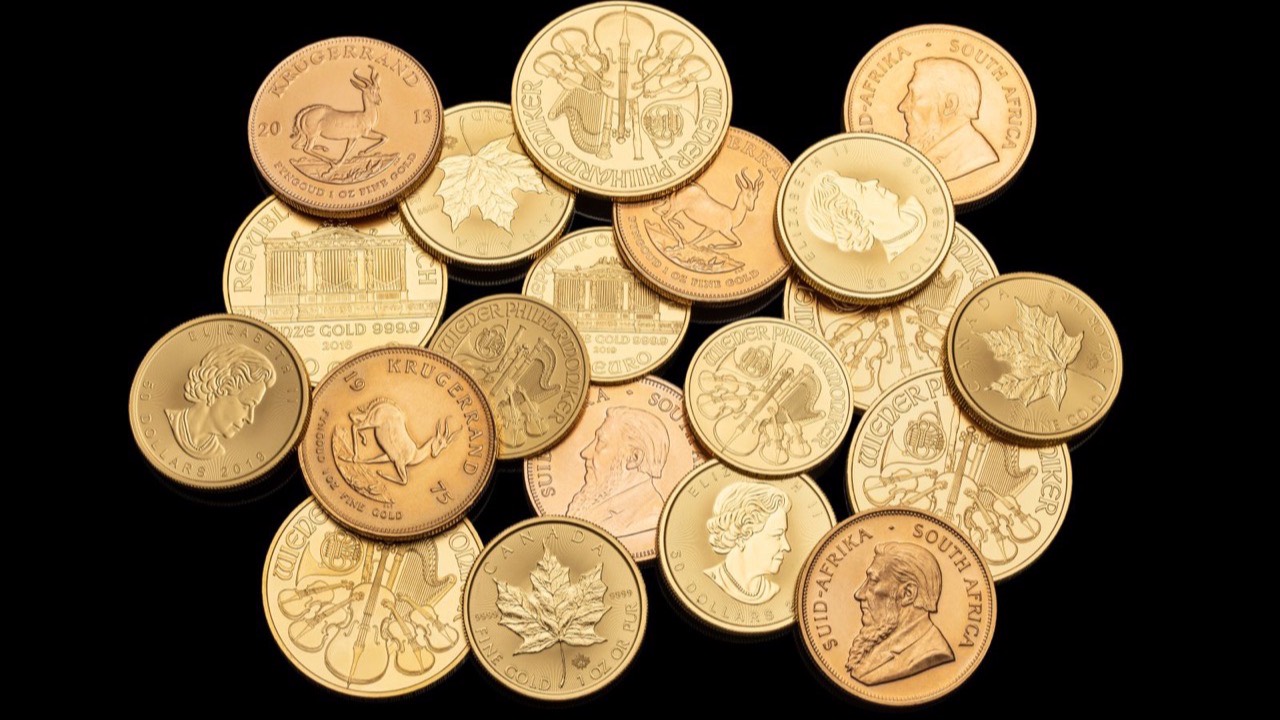
Widely held eligible coins include the American Gold and Silver Eagle, the American Gold Buffalo, the Canadian Maple Leaf, the Austrian Philharmonic and the Australian Kangaroo. South African Krugerrands are not eligible for an IRA — their fineness is 0.9167 and, unlike the American Eagle, they have no statutory exemption. That single detail catches out more first-time buyers than any other rule on this page.
For the 2026 tax year the IRS set the IRA contribution limit at $7,500, with an additional $1,100 catch-up contribution available from age 50 — a total of $8,600. That ceiling applies across all of your IRAs combined, traditional and Roth together, not per account.
These figures are why most gold IRAs are funded by rollover rather than by contribution: at $7,500 a year, reaching a balance where flat annual fees become efficient would take a decade. A rollover moves an existing balance in one transaction with no contribution limit at all.
On the way out, traditional IRAs are subject to required minimum distributions beginning at age 73 under the SECURE 2.0 Act, rising to 75 for those born in 1960 or later. Roth IRAs have no RMDs during the owner's lifetime. Missing an RMD triggers an excise tax of 25% of the shortfall, reduced to 10% if corrected promptly — so if your metal is illiquid or held in large bars, plan the distribution well before the deadline, not in December.
Rankings narrow the field; they do not finish the job. Whichever provider you end up speaking to, the same short list of questions separates a purchase you are satisfied with from one you spend a decade regretting — and the reaction you get matters as much as the answer. A firm with good numbers answers all of these without being asked twice.
All eleven questions, and what a straight answer sounds like →
A gold IRA is a self-directed individual retirement account that holds physical precious metals — gold, silver, platinum or palladium — instead of (or alongside) paper assets. It follows the same tax rules as a conventional IRA, but the metals must meet IRS purity standards and be stored with an approved custodian and depository rather than at home.
Minimums vary widely by provider. Some companies accept accounts from around $5,000–$10,000, while education-heavy providers such as Augusta Precious Metals require $50,000. Our comparison table lists the minimum investment for every company we review.
Typical costs are a one-time setup fee (roughly $50–$150), an annual custodian/maintenance fee (roughly $75–$300) and an annual storage fee (roughly $100–$300). The larger hidden cost is usually the dealer spread — the markup between the metal's spot price and what you pay. Many providers run promotions that waive fees for the first years; always confirm current pricing directly.
The IRS requires minimum fineness of 99.5% for gold, 99.9% for silver and 99.95% for platinum and palladium. Common eligible products include American Gold Eagles (a specific exception despite their 91.67% fineness), Canadian Maple Leafs and approved bars from accredited refiners. Collectible and numismatic coins are generally not eligible.
Yes. Most gold IRA companies specialize in rollovers from 401(k)s, 403(b)s, TSPs and existing IRAs. A direct trustee-to-trustee transfer is the safest route because the money never touches your hands and no withholding or 60-day deadline applies.
No. Metals held in an IRA must be stored at an IRS-approved depository under a qualified custodian. Taking personal possession of IRA metals is treated as a distribution, which can trigger taxes and early-withdrawal penalties. 'Home storage gold IRA' pitches are a well-known red flag.
It depends on your goals. Gold can hedge inflation and diversify a portfolio, but it pays no dividends or interest and carries extra costs for storage and administration. Most independent guidance suggests limiting precious metals to a modest slice of a retirement portfolio — commonly cited as around 5–10%. We are not financial advisors; consider consulting one before investing.
It depends entirely on whether your metal actually reached a depository. Your dealer, your IRA custodian and your depository are three separate businesses. Once metal is bought and vaulted, it is held by the custodian at the depository in your account's name, so a dealer failing does not put it at risk — you can move the account to another custodian or dealer. The danger is the gap in between: if you have paid a dealer but the metal has not yet been delivered to the vault, you are an unsecured creditor of that dealer. This is not hypothetical — Rosland Capital filed for Chapter 11 in July 2026 owing roughly 617 customers more than $60 million, much of it for orders that were paid for but never delivered. The practical protections are to insist on prompt delivery to the depository, get written confirmation from the custodian that the metal has arrived, and treat long or vague delivery timelines as a serious warning sign.
We score each provider across five weighted categories: trustworthiness, fees and pricing transparency, product range and storage options, customer support, and educational resources. Ratings from the BBB, BCA and Trustpilot feed the trust score. Our full methodology page explains the process — and advertising partnerships never change a company's score.

How gold IRAs work, what metals qualify, and the roles of the custodian and depository — explained without the sales pitch.
7 min read

Setup, custodian, storage and the spread — a breakdown of every cost in a gold IRA, and which ones actually matter.
6 min read
From picking a provider to funded account: the exact sequence, what paperwork is involved, and how long each step takes.
5 min read

Direct vs. indirect rollovers, the 60-day rule, and how to move retirement money into metals without a tax bill.
6 min read
From numismatic upsells to home-storage schemes to dealers that go bust holding your money — the traps that separate savers from their retirement money, and how to sidestep each one.
8 min read
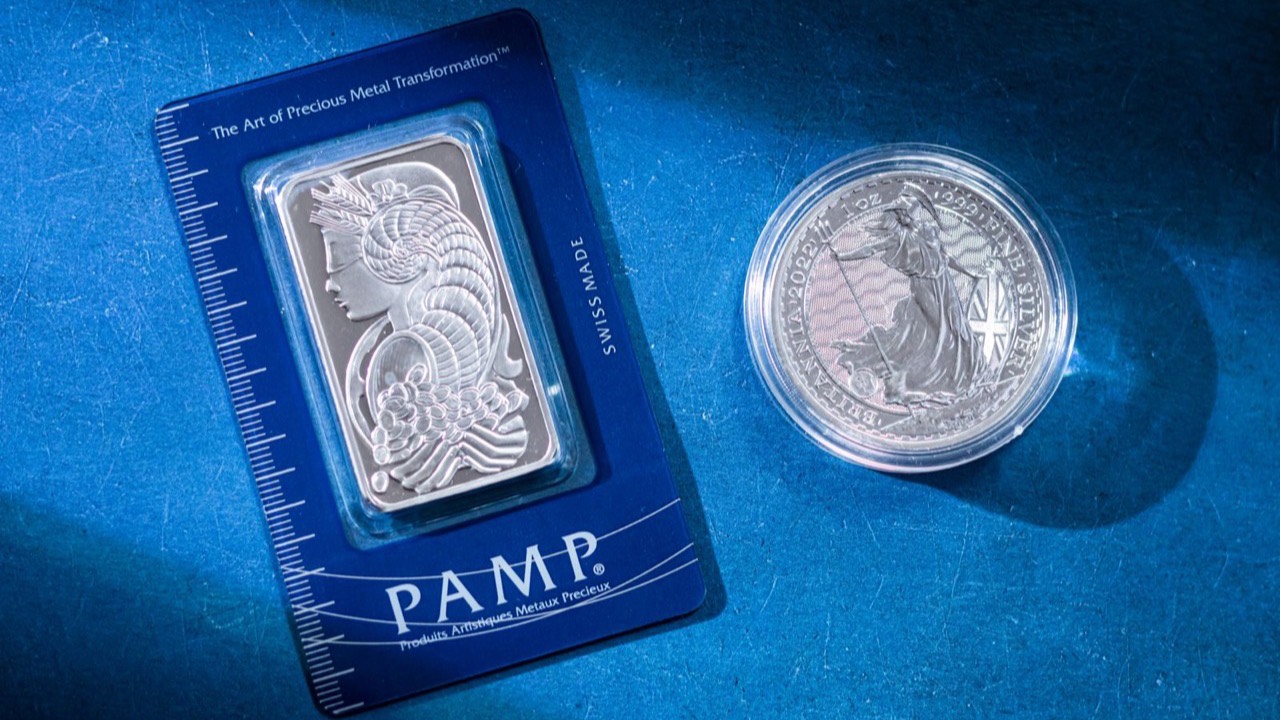
Volatility, storage costs, industrial demand and IRS rules — how the two most popular IRA metals actually compare.
5 min read