
Two markets wearing one ticker
Gold demand is overwhelmingly monetary: jewellery, bars, coins, central banks and funds. Industrial use is a rounding error. Silver is the opposite case — over half of annual demand is industrial consumption, and that share has been climbing.
This split is the single most useful fact about silver. It means silver trades partly as a store of value, reacting to real rates and currency stress the way gold does, and partly as an industrial commodity, reacting to manufacturing cycles the way copper does. When those two drivers pull the same way, silver moves violently. When they conflict, it stalls while gold runs.
Where the demand comes from
Solar is now the largest single industrial use. Photovoltaic cells use silver paste for conductivity, and although manufacturers have cut loading per panel substantially over the past decade, total installations have grown faster than thrifting has saved. Electronics, brazing alloys, and the wiring harnesses in electric vehicles make up most of the rest — an EV uses roughly twice the silver of a combustion car.
The critical structural point: most industrial silver is consumed, not recovered. Unlike gold, where essentially every ounce ever mined still exists somewhere, a meaningful share of silver is dispersed into landfill in quantities too small to recycle economically. Above-ground stocks do not accumulate the same way.
- Industrial fabrication — solar, electronics, brazing, EVs: the majority of annual demand
- Jewellery and silverware — significant but price-sensitive, and it falls when prices spike
- Physical investment — coins and bars, the most volatile component year to year
- Exchange-traded products — can swing from large net buying to large net selling within a single year
Where the supply comes from — and why it barely responds to price
Roughly 70–80% of mined silver is a by-product of lead, zinc, copper and gold mining rather than the main product of a dedicated silver mine. That is the most under-appreciated fact in the market. It means silver supply is largely set by the economics of other metals: when a copper miner decides to expand, silver output follows, and when the silver price doubles, the copper miner does not particularly care.
The consequence is a supply curve that is almost inelastic in the short run. Primary silver miners can respond to higher prices, but they are the minority of output. Recycling fills some of the gap, and scrap does respond to price — but slowly, and mostly from jewellery and silverware rather than from industrial applications.
The market has now run multi-year structural deficits, drawing down visible inventories in London and COMEX vaults to cover the shortfall. Deficits cannot persist indefinitely; they resolve through higher prices, demand destruction, or inventory exhaustion.
The gold-silver ratio, and how not to use it
The gold-silver ratio simply divides the gold price by the silver price — how many ounces of silver buy one ounce of gold. It averaged around 60 through the twentieth century and has spent much of the twenty-first between 70 and 90, spiking above 120 in the March 2020 panic.
A high ratio is often marketed as proof that silver is 'cheap'. Treat that carefully. The ratio has no anchor: the 16:1 figure some dealers cite comes from a nineteenth-century bimetallic monetary standard that has not existed for well over a century. The ratio is a useful sentiment gauge and a reasonable rebalancing trigger between the two metals. It is not a price target.
What this means inside an IRA
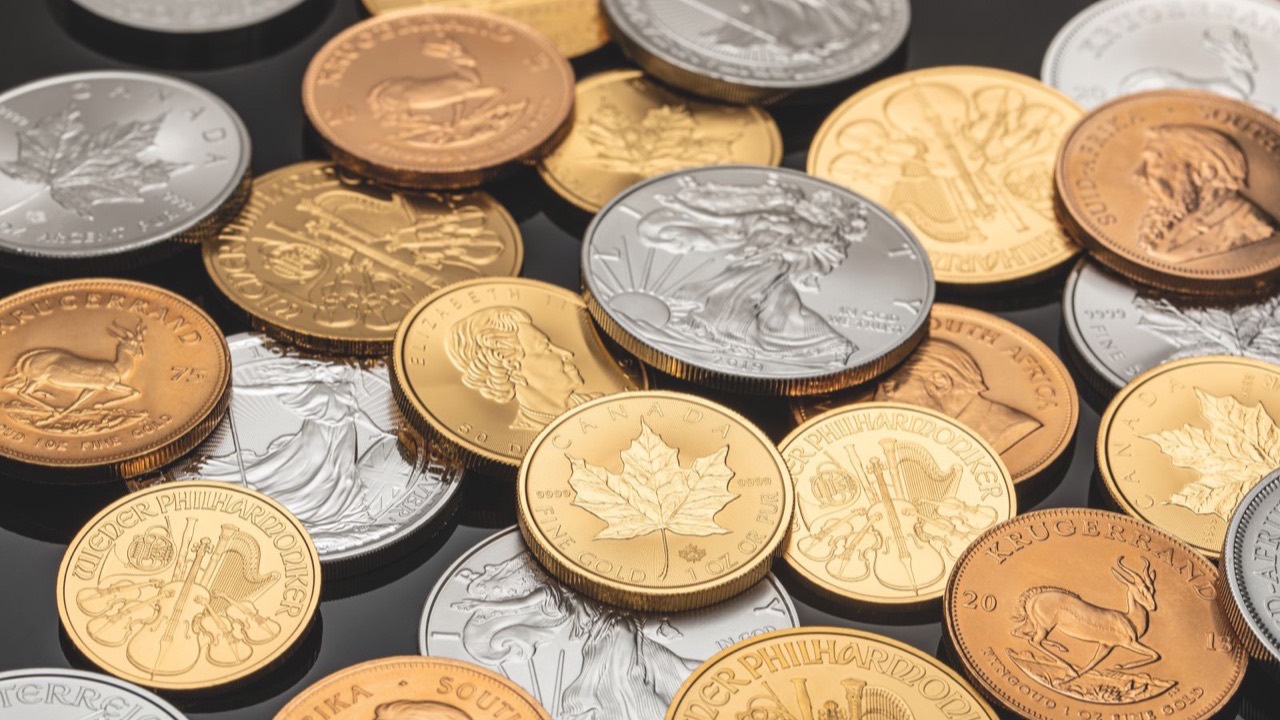
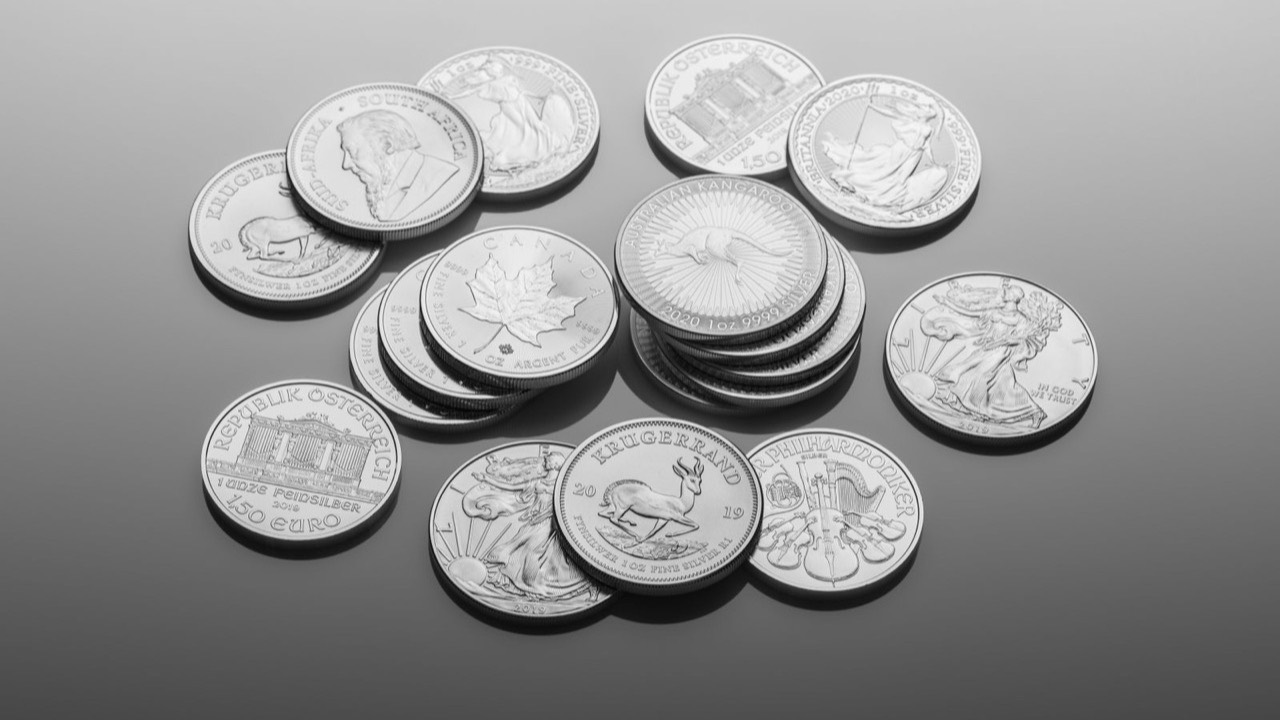
Silver's IRS purity threshold is 0.999, which American Silver Eagles, Canadian Maple Leafs and standard 100 oz bars all meet. Mechanically it works exactly like gold in a self-directed IRA.
The practical difference is bulk. At current prices, the same dollar amount of silver occupies far more physical volume than gold, and depositories generally charge storage by value rather than weight — but not always, and a flat-rate or weight-based schedule will quietly penalise a silver-heavy account. Ask specifically how your depository prices silver before you fund.
Expect the volatility. Silver routinely moves two to three times as far as gold in percentage terms, in both directions. That is a feature if you are rebalancing into weakness on a long horizon and a serious problem if you are five years from drawing the account down.
Ready to compare providers?
See how the leading gold and silver companies score on fees, storage and trust.
This article is editorial content, not investment, tax or legal advice. Rules, rates and limits change — verify current IRS requirements or consult a licensed professional.